
Call us now :08045816769
 Send Inquiry
 Send Inquiry
Fire Protection Hydrant System
MOQ : 10 Sets
Fire Protection Hydrant System Specification
- Warranty
- Yes
- Coverage Area
- Up to 45 meters radius per hydrant point
- Material
- Mild steel
- Coating Type
- Epoxy Powder Coated for Corrosion Resistance
- Features
- Corrosion Resistant, Heavy Duty Construction, Reliable Performance
- Connectivity Type
- Standalone/Integrated with Building Management System (BMS)
- Control Type
- Manual & Automatic Control
- Technology
- Wet Riser System, Pump Assisted
- Product Type
- Fire Protection Hydrant System
- Energy Efficiency Rating
- Standard Efficiency
- Fire Class
- A, B, C
- Voltage
- 415V AC, 3 Phase
- Working Temperature
- -5C to +55C
- Shape
- Cylindrical/Rectangular Tanks; Vertical Pipes
- Operating Pressure
- 7 - 10 bar
- Fire Extinguisher Type
- Hydrant System (Wet & Dry Risers included)
- Mounting Type
- Surface Mount/Flush Mount
- Installation Type
- Floor Mounted / Wall Mounted
- Usage
- Fire safety
- Application
- Fire protection equipment
- Max Flow Rate
- 2280 LPM (Litre Per Minute)
- Capacity
- Tank capacity typically 50,000 - 2,00,000 L
- Diameter
- 63 mm & 80 mm (Standard Sizes)
- Pressure
- 7-10 kg/cm2
- Hose Length
- 15 m - 30 m
- Pump Capacity
- 22.5 kW to 55 kW
- Fittings/Accessories
- Landing Valves, Hose Reel Drums, Nozzles, Pressure Gauges, Branch Pipes
- Material
- Mild Steel (MS), Stainless Steel (SS), Gunmetal Fittings
- Pump Type
- Centrifugal, Jockey, and Diesel Engine Pumps
- Alarm Integration
- Compatible with Fire Alarm Systems
- Approval Standards
- IS:3844, IS:5290, NFPA Compliant
- Inlet/Outlet Connections
- Threaded/Flanged as per IS:5290
- Color
- Red (Standard Fire Equipment Color)
- Maintenance
- Low Maintenance; Routine Inspection Required
Fire Protection Hydrant System Trade Information
- Minimum Order Quantity
- 10 Sets
- Supply Ability
- 5000 Sets Per Month
- Delivery Time
- 7-10 Days
- Main Domestic Market
- All India
About Fire Protection Hydrant System
A Fire Protection Hydrant System is an essential component of a building's fire safety infrastructure. These pipes are typically made of durable materials such as steel, ductile iron, or high-density polyethylene (HDPE) to withstand high pressure and corrosion. It consists of a network of pipes, valves, hydrants, pumps, and water storage tanks designed to provide a reliable source of water for firefighting operations. Fire Protection Hydrant System plays a critical role in providing firefighters with access to water for extinguishing fires and protecting life and property in the event of a fire emergency.
Reliable and Corrosion-Resistant Construction
Engineered from mild steel and coated with epoxy powder, this hydrant system resists corrosion and endures the demands of harsh environments. The robust construction ensures longevity, while heavy-duty parts provide consistent performance in critical fire emergencies.
Flexible Installation and Integration Options
Mountable on floors or walls, the system suits varied architectural requirements. Its compatibility with standalone setups or integration into Building Management Systems (BMS) allows seamless fire safety management across new and existing infrastructures.
Efficient and Wide-Reaching Fire Suppression
Designed to deliver up to 2280 LPM and operate within a pressure range of 7-10 bar, this system efficiently covers up to 45 meters per hydrant point. Its tank capacity accommodates large buildings with water demands between 50,000 and 200,000 liters.
FAQ's of Fire Protection Hydrant System:
Q: How does the Fire Protection Hydrant System operate during an emergency?
A: The system activates either manually or automatically, using centrifugal, jockey, or diesel engine pumps. When a hydrant is opened, pressurized water is delivered through hoses and nozzles to effectively suppress fire within its coverage radius.Q: What are the benefits of integrating this hydrant system with a Building Management System (BMS)?
A: BMS integration enables centralized control and monitoring, ensures quick system diagnostics, and facilitates seamless alarm communication. This helps enhance response times and optimizes overall fire safety management in the building.Q: When should the hydrant system undergo maintenance and inspection?
A: Routine inspections are recommended as per local fire safety standards, typically on a monthly or quarterly basis. Preventive maintenance helps ensure low upkeep, reliability, and optimal operating conditions.Q: Where can this hydrant system be installed, and what mounting options are provided?
A: The system is suitable for industrial, commercial, and institutional facilities. It can be floor-mounted or wall-mounted, with surface or flush installation options, to accommodate various architectural layouts.Q: What materials and standards ensure the hydrant system's durability and safety?
A: Constructed from mild steel with an epoxy powder coating, the system is corrosion-resistant and robust. It meets IS:3844, IS:5290, and NFPA standards, ensuring approved performance and reliable protection.Q: How is the hydrant system used during a fire incident?
A: Trained personnel can connect hoses to the landing valves, operate the pumps either manually or via automatic controls, and direct water through nozzles to extinguish fires, including classes A, B, and C.Q: What is the process for system installation and exporter support in India?
A: As a manufacturer, supplier, and exporter in India, we provide end-to-end support including site assessment, custom system design, installation, and after-sales service to ensure the hydrant system fits your specific fire safety requirements.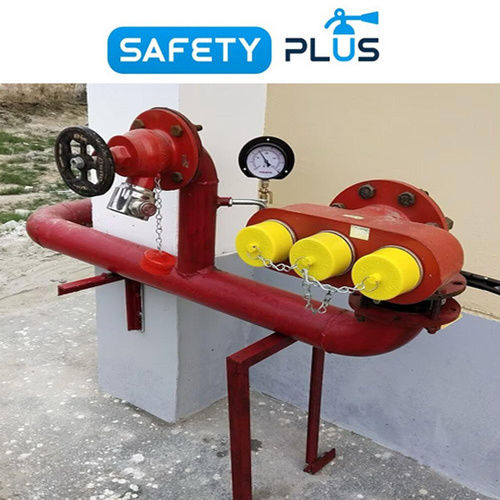
Tell us about your requirement

Price:
Quantity
Select Unit
- 50
- 100
- 200
- 250
- 500
- 1000+
Additional detail
Mobile number
Email

More Products in Fire Hydrant System Category
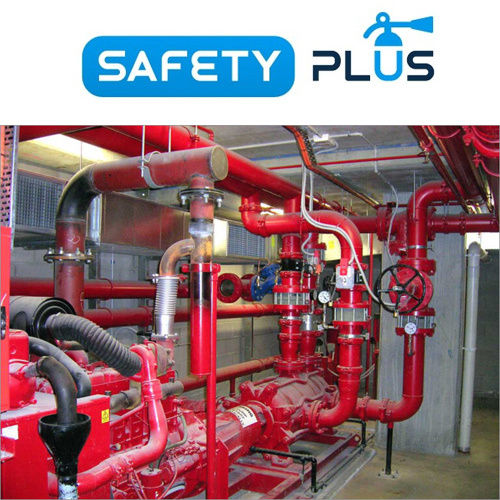
Industrial Fire Hydrant System
Minimum Order Quantity : 10 Units
Technology : Wet riser system
Usage : Fire safety
Max Flow Rate : 900 LPM
Fire Extinguisher Type : Hydrant based
Mounting Type : Floor mounted

 Send Inquiry
Our Products
- Fire Extinguishers
- Fire Extinguisher Empty Body
- Fire Bucket
- Hose Reel Drum
- Fire Hose Pipe
- Fire Beater
- Hose Pipe
- Smoke Detector
- Fire Ball Extinguisher
- Fire Extinguisher Accessories
- Fire Hose Box
- Control Panel
- Boiler Suit
- Smoke Detector And Fire Alarm
- Fire Fighting Equipment
- Fire Hydrant Single Valve
- Fire Blanket
- Fire Shaft And Duct Door
- Mobile Foam Unit
- Fire Extinguisher Cabinet
- Fire Extinguishers Stands
- Fire Sprinkler
- Inlet And Hydrant Valve
- First Aid Kit
- Fire Extinguisher Bracket
- Short Branch Pipe Nozzle
- Fire Safety Signs Boards
- Fire Extinguisher Chemical
- Safety Helmet
- Fire Suppression System
- Fire Alarm
- Hose Binding Machine
- Butterfly Valve
- Fire Hydrant System
- Mobile Foam Trolley Unit


Gala No.213, Saibaba Indl Compd, Ghatkopar- Andheri Link Road, Mohili Village, Sakinaka Kurla West,Mumbai - 400072, Maharashtra, India

Mr. Afsar
(Proprietor)
Mobile :08045816769
 Send Inquiry
 Send SMS
Developed and Managed by Infocom Network Private Limited.


 English
 Spanish
 French
 German
 Italian
 Chinese (Simplified)
 Japanese
 Korean
 Arabic
 Portuguese